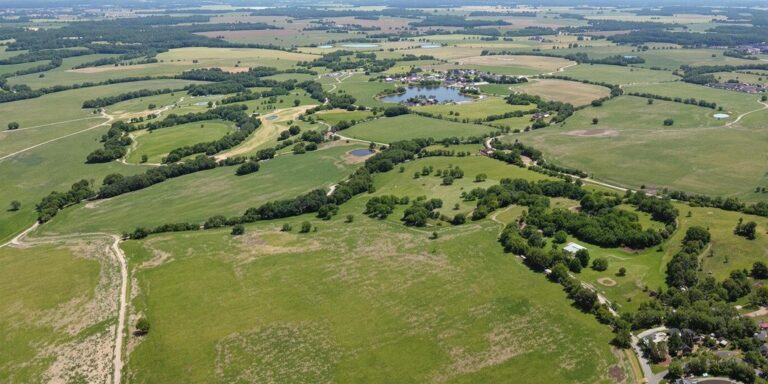
Figuring out what your land is worth in Arkansas can be a bit tricky. It’s not like valuing a house, where things are often more straightforward. Land values in the Natural State depend on a bunch of different things. If you’re thinking about selling your Arkansas land, knowing these factors can help you price it right. This guide will walk you through how to figure out your land’s value in Arkansas.
Key Takeaways
- Location is a huge deal for Arkansas land value; urban areas often have higher prices than rural spots.
- What you’re allowed to do with your land, based on zoning, really changes its worth.
- The size and shape of your property can affect how useful it is and, therefore, its price.
- Looking at current market trends and comparable sales helps you understand what land is going for.
- Don’t forget about the costs of owning land, like taxes, and what else you could do with your money.
Location’s Influence on Arkansas Land Value
Urban Versus Rural Land Valuation
Okay, so where your land actually is makes a huge difference. Urban land is usually pricier because everyone wants to build stuff there. Think Little Rock, Fayetteville, or Bentonville. You’re closer to everything – jobs, stores, you name it. Rural land? It might be cheaper per acre, but it’s still valuable if people want farms or a place to get away from it all. It really depends on what buyers are looking for.
Proximity to Infrastructure and Development
If your land is near roads, utilities, and other stuff that’s being built, it’s going to be worth more. Makes sense, right? No one wants to build a house miles from the nearest power line. Land near expanding areas or economic zones gets a boost. It’s all about convenience and potential. If you’re close to a highway or have easy access to water, that’s a plus.
Regional Demand and Appreciation
Some parts of Arkansas are just hotter than others. Northwest Arkansas, with cities like Bentonville and Fayetteville, is seeing a lot of growth. That means land values are going up faster there. It’s because of big companies moving in, more people wanting to live there, and better infrastructure. But even within a region, things can change block by block. Knowing what’s happening locally is key.
Understanding the local market is super important. What’s selling? What are people building? What are the trends? All of this affects how much your land is worth. Don’t just look at statewide averages; dig into the details of your specific area.
Land Use and Zoning Regulations
Land use and zoning regulations are a big deal when it comes to figuring out what your Arkansas land is worth. Basically, these rules decide what you can and can’t do with your property, and that has a direct impact on its value. It’s not always straightforward, but getting a handle on this stuff is key.
Impact of Zoning on Development Potential
Zoning laws are like the rulebook for development. They say whether you can build houses, stores, factories, or nothing at all on a piece of land. Land that’s zoned for something profitable, like commercial use, is usually worth more than land that’s stuck as agricultural or conservation land. It all boils down to potential. If someone can build a shopping center, they’re going to pay more than if they can only grow soybeans. The flexibility zoning provides is a major value driver.
Understanding Residential and Commercial Zoning
Residential zoning covers everything from single-family homes to apartments. Commercial zoning includes retail stores, offices, and other businesses. Each category has its own set of rules about building size, parking, and what kind of activities are allowed. Knowing the specifics of your zoning is important. For example, a property zoned for high-density residential will be more valuable than one restricted to single-family homes. It’s all about the potential for more units and higher returns.
Agricultural Land Considerations
Agricultural land has its own set of considerations. While it might not be as valuable as commercial land, it can still be a good investment. Factors like soil quality, water access, and the ability to grow certain crops can all affect its value. Plus, there are often tax breaks and other incentives for keeping land in agricultural use. It’s a different market, but it’s still a market. Also, keep in mind that agricultural zoning can sometimes be changed, opening up new development possibilities down the road.
Understanding zoning regulations is important for landowners in Arkansas. It helps them make informed decisions about their property and its potential uses. Ignoring these regulations can lead to costly mistakes and missed opportunities.
Property Size and Shape Considerations
Land in Arkansas comes in all shapes and sizes, and these factors really do play a big role in what it’s worth. It’s not just about how many acres you have; it’s also about how those acres are laid out.
Value of Larger Tracts for Development
Generally, bigger pieces of land are more attractive to developers. They offer more flexibility for large-scale projects, whether it’s a housing development, a commercial center, or even an industrial park. But, it’s not always a straight line from size to value. While the total price for a large tract will be higher, the price per acre might actually be lower than for a smaller parcel. This is because there are often economies of scale involved – the bigger the project, the lower the cost per unit.
Usability of Irregularly Shaped Lots
The shape of your land matters too. A perfectly square or rectangular lot is usually easier to work with than one that’s oddly shaped. Irregularly shaped lots can present challenges for development. Think about it: building a house on a narrow, triangular lot is going to be a lot trickier (and potentially more expensive) than building on a standard rectangular one. This can definitely affect the land’s value. Here are some common issues with irregular lots:
- Difficult site planning
- Increased construction costs
- Limited building options
Price Per Acre Variations
Price per acre can vary wildly depending on a bunch of factors. Location is huge, of course, but so is the size and shape of the property. A small, perfectly shaped lot in a prime location might command a very high price per acre, while a large, oddly shaped tract in a less desirable area might have a much lower price per acre. It’s all about supply and demand, and what potential buyers are willing to pay for the specific characteristics of the land.
It’s important to remember that land valuation isn’t an exact science. It’s a combination of objective factors (like size and shape) and subjective ones (like perceived usability and potential). Getting a professional appraisal is always a good idea if you want a clear picture of what your land is really worth.
Evaluating Market Indicators for Arkansas Land
It’s important to keep an eye on the market when you’re dealing with land. Several things can give you a sense of where things are headed. Let’s take a look at some key indicators specific to Arkansas.
Stability and Growth in Arkansas Land Markets
Arkansas has shown pretty consistent stability and growth in its land markets recently. This is thanks to a few things. The state has been putting money into improving roads and utilities. Also, the technology sector is growing, and more people are moving to cities. Plus, Arkansas has a low cost of living, which helps.
Infrastructure Investment and Technology Sector Growth
Arkansas is putting money into things like roads, internet, and utilities. This makes land more attractive for development. The growth of tech jobs also brings more people and businesses to the state, which can drive up land values. For example, the Northwest Arkansas region is experiencing growth due to corporate headquarters and infrastructure improvements.
Resilience During Economic Fluctuations
Arkansas land has proven to be pretty tough, even when the economy gets shaky.
During the 2007 housing crisis, Arkansas didn’t see the same big ups and downs as other places. This means that the land market here is generally more stable, which is good for both buyers and sellers. It gives people more confidence in the market.
Here’s a quick look at how land values can differ:
| Land Type | Price Per Acre (Estimate) |
|---|---|
| Cropland | $2,500 – $4,000 |
| Recreational Land | $1,500 – $3,000 |
| Development Land | Varies Greatly |
Comparable Land Sales Analysis
Researching Recent Property Sales
When figuring out what your Arkansas land is worth, looking at recent sales of similar properties is super important. It gives you a real-world idea of what people are actually paying. You want to find land that’s about the same size, in the same general area, and has similar features. Think about things like road access, utilities, and whether it’s cleared or wooded. The more alike the properties are, the better the comparison will be.
Utilizing Online Resources for Valuation
There are a bunch of online tools that can help you find comparable land sales. Zillow and Lands of America are good places to start. These sites often have listings of recent sales, along with details about the properties. You can usually filter by location, size, and other features to narrow down your search. Just remember that online data isn’t always perfect, so it’s a good idea to double-check the information with other sources.
Professional Appraisal and Real Estate Agent Insights
Getting a professional appraisal is a smart move if you want a really accurate valuation. Appraisers know the local market inside and out, and they can take into account all sorts of factors that you might miss. A good real estate agent who specializes in land sales can also be a big help. They can provide insights into current market trends and help you understand what buyers are looking for.
Here’s a quick rundown of why professional help is worth it:
- They have access to more data than you do.
- They can provide an unbiased opinion.
- They can help you negotiate a fair price.
Holding Costs and Opportunity Costs of Land Ownership
It’s easy to only think about the potential sale price when you own land, but there’s more to it than that. You’ve got to consider what it costs you to own that land, and what you could be doing with the money tied up in it.
Assessing Carrying Costs for Land
Okay, so what are we talking about when we say “carrying costs”? Well, these are the expenses you pay just to keep the land. Think of it like owning a car – you have to pay for gas, insurance, and maintenance, even if you aren’t driving it much. With land, it’s similar. You’ll likely have property taxes to pay every year, and depending on the land, you might have some basic maintenance costs. Maybe you need to keep the grass mowed, or repair fences. These costs can add up over time, and they definitely eat into any potential profit you might make when you eventually sell the land.
Finance Costs and Property Taxes
If you took out a loan to buy the land, you’re also paying interest on that loan. That’s a finance cost. And then there are property taxes, which can vary a lot depending on where the land is located and how it’s zoned. It’s a good idea to get a handle on these costs early on, so you know what you’re really paying to own the land. Here’s a quick example:
| Expense | Annual Cost |
|---|---|
| Property Taxes | $1,500 |
| Loan Interest | $800 |
| Basic Maintence | $200 |
| Total | $2,500 |
Opportunity Costs of Capital Investment
This is where it gets a little more abstract, but it’s still important. Opportunity cost is basically what you’re giving up by having your money tied up in land. Instead of buying that land, you could have invested that money in something else, like stocks, bonds, or even another piece of real estate. Those other investments could be earning you money, but your money is stuck in the land. It’s not necessarily a bad thing, but it’s something to think about. What else could that money be doing for you?
It’s important to remember that land ownership isn’t just about the potential future sale price. You need to factor in all the costs involved, both the obvious ones like taxes and maintenance, and the less obvious ones like opportunity cost. This will give you a much clearer picture of whether owning that land is really a good investment for you.
Key Factors Impacting Arkansas Land Valuations
Infrastructure Investment and Modernization
Arkansas’s land values are definitely getting a boost from all the infrastructure improvements happening. Think about it: new highways make it easier to get around, and better internet access opens up possibilities for businesses and remote work. These upgrades make land more attractive to developers and individuals alike. It’s not just about convenience; it’s about unlocking potential.
Development Potential and Economic Zones
Location, location, location! It’s the oldest saying in real estate, but it’s true. Land near growing cities or designated economic zones is going to be worth more. Why? Because there’s a higher chance you can build something profitable on it – whether it’s a new housing development, a shopping center, or an industrial park. Development potential is a huge value driver.
Characteristics Boosting Farmland Values
Farmland in Arkansas has its own set of value boosters. It’s not just about location; it’s about what you can do with the land. Here are a few things that make farmland more valuable:
- Good soil: The better the soil, the more crops you can grow.
- Water access: Irrigation is key, especially in dry years.
- Efficient layout: Fields that are easy to work with large equipment are worth more.
Investing in things like tiling and levees can also increase the value of farmland. It’s all about improving productivity and making the land more appealing to farmers.
Here’s a quick look at how different factors can affect farmland value:
| Factor | Impact on Value | Example |
|---|---|---|
| Soil Quality | Higher | Rich, well-drained soil |
| Water Access | Higher | Proximity to a river or irrigation system |
| Field Shape | Higher | Large, rectangular fields |
| Road Proximity | Higher | Easy access to highways |
| Grain Elevators | Higher | Close to grain storage facilities |
Understanding what makes land valuable in Arkansas is key. Things like where it is, how big it is, and what you can use it for all play a big part. If you’re curious about how these things affect your land’s worth, or if you’re thinking about selling, check out our website. We can help you figure out the true value of your property.
Wrapping Things Up
So, when you’re looking at land in Arkansas, it’s pretty clear that utility access is a big deal. It’s not just about having a nice piece of property; it’s about what you can actually do with it. Think about it: if you can’t get water or electricity to your land easily, that’s a huge hurdle, whether you’re planning to build a house, start a farm, or even just set up a hunting camp. Buyers are definitely going to factor that in, and it can really change the price tag. Doing your homework on things like water lines, power poles, and even internet availability before you buy or sell can save you a lot of headaches and make sure you’re getting a fair shake. It’s all about understanding the full picture of what a piece of land offers, or doesn’t offer, when it comes to those everyday necessities.
Frequently Asked Questions
What parts of Arkansas are seeing the biggest increases in land value?
The areas seeing the most growth in land value are the Northwest Arkansas cities like Bentonville, Rogers, Springdale, and Fayetteville. This is due to big companies setting up offices there, more people moving in, better roads and services, and the University of Arkansas.
How do prices for recreational land compare to farmland?
Good farmland for crops like soybeans, cotton, and rice usually sells for $2,500 to $4,000 per acre. This depends on the soil, how well it drains, and where it is. Land for fun activities like hunting, or land with woods, lakes, or rivers, typically goes for $1,500 to $3,000 per acre.
Does the possibility of development change how much land is worth?
Yes, it absolutely does. Land near new roads, growing business areas, and cities is worth more if it can be used for homes, businesses, or a mix of both. Land in more distant places, even if it’s the same size, will be less valuable.
How hard is it to accurately price land in Arkansas?
It can be very hard to figure out an exact price for land because the market is always changing, every location is different, and land can be used for many things. The best way to get a good idea is to look at recent sales of similar properties. Also, talking to county appraisers, checking the USDA Arkansas land report, and getting advice from a local real estate agent can help you find a fair price.
What are the ongoing costs of owning land?
Owning land comes with costs like property taxes, insurance, and basic upkeep such as fixing fences or mowing. If you borrowed money to buy the land, you’ll also have loan payments. These costs add up over time.
What is ‘opportunity cost’ in terms of land ownership?
Opportunity cost means what you miss out on by choosing one thing over another. When your money is tied up in land, you can’t invest it in other things like stocks, bonds, or different types of real estate that could earn you money through growth, rent, or dividends. So, when thinking about selling land, you should consider what else you could do with that money.