
Thinking about selling your land in Arkansas? It’s not just about putting up a ‘for sale’ sign. There’s a bunch of stuff you need to know, especially about environmental rules and what makes your property special. Getting ready to sell means looking into local laws, checking out what’s on your land, and making sure all your papers are in order. This guide will walk you through what to look for when selling Arkansas land, so you can be ready for anything.
Key Takeaways
- Local zoning rules tell you what you can and can’t do with land, and this really changes its price.
- Being close to roads and utilities like water and power can make land worth more money.
- Things like water, trees, and minerals on your land can make it more valuable.
- You need to get all your papers ready, like deeds and surveys, before you sell.
- Knowing about costs, like fees and upkeep, helps you figure out your budget.
Understanding Environmental Regulations for Selling Arkansas Land
Selling land in Arkansas involves more than just putting up a sign. You’ve got to know the rules, especially the environmental ones. It can seem like a maze, but getting it right from the start can save you headaches (and money) down the road. Basically, you want to make sure you’re not accidentally breaking any laws that could complicate the sale or even land you in trouble.
Navigating Zoning Laws and Land Use Restrictions
Zoning laws are a big deal. They dictate what you can and can’t do with your land. Think of it like this: a piece of land zoned for agriculture can’t suddenly become a shopping mall. These laws are set at the local level, so what’s true in Little Rock might not be true in Fayetteville. It’s worth checking with the city or county planning office to get the lowdown on your specific property. Land use restrictions can also come from homeowner associations (HOAs) or other agreements, so dig into those too.
Assessing Flood Risks and Water Rights
Arkansas has its share of water, and that means potential flood risks. Floodplains are areas prone to flooding, and building or developing in these areas comes with extra regulations and insurance requirements. You can usually find floodplain maps through FEMA or your local government. Water rights are another thing to consider, especially if you have a stream or pond on your property. In Arkansas, water rights are generally based on the riparian doctrine, which means landowners next to a water source have certain rights to use that water. Transferring these rights can be complex, so it’s good to get some expert advice.
Identifying Protected Wildlife Habitats
Arkansas is home to a diverse range of wildlife, and some areas are designated as protected habitats. This means there might be restrictions on what you can do on your land to avoid disturbing these species. The Arkansas Natural Heritage Commission is a good place to start to see if your property falls within a protected area. If it does, you might need to get permits or follow specific guidelines for development or land use. Ignoring these regulations can lead to fines and legal issues. Here are some things to keep in mind:
- Check for endangered species habitats.
- Be aware of migratory bird routes.
- Understand wetland protection laws.
Environmental regulations are there for a reason. They protect our natural resources and ensure responsible land use. While they might seem like a hassle, understanding and complying with them is a key part of selling land ethically and legally in Arkansas.
Evaluating Natural Resources on Your Arkansas Property
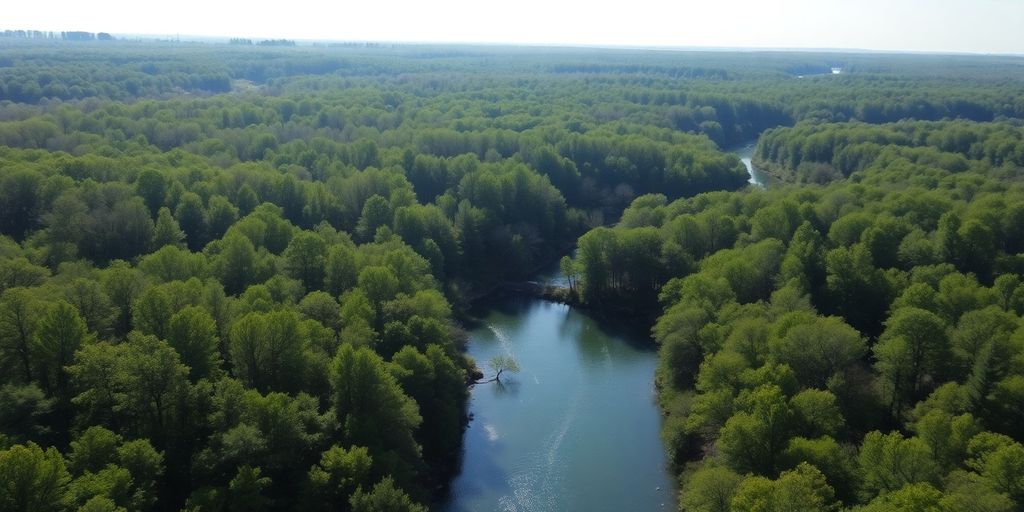
When you’re thinking about selling land in Arkansas, it’s not just about the location; it’s also about what the land offers. What natural resources are present can really change the value and appeal of your property. Let’s take a look at some key things to consider.
Timber Value and Forest Management Plans
If your land has timber, that’s a big deal. The value of that timber can significantly impact your asking price. You’ll want to get an assessment to see what kind of trees you have, how much there are, and what their potential market value is. Also, check if there’s a forest management plan in place. A well-maintained forest is more attractive to buyers, especially those interested in sustainable forestry or hunting.
- Type of trees (pine, oak, etc.)
- Age and maturity of the timber
- Accessibility for harvesting
Mineral Rights and Subsurface Considerations
Okay, this can get a little complicated, but it’s important. Do you own the mineral rights to your property? Sometimes, mineral rights are separate from the surface rights. If you own them, you could potentially lease them to oil or gas companies, or even sell them separately. Even if there’s no active mining or drilling, the potential for it can add value. It’s worth doing some research to see if there’s any history of mineral exploration in your area.
Understanding mineral rights can be tricky. It’s a good idea to consult with an attorney who specializes in this area to make sure you know exactly what you own and what your options are.
Soil Quality and Agricultural Potential
Good soil is gold, especially in Arkansas. If your land has fertile soil, it’s going to be attractive to farmers or anyone looking to start an agricultural business. Get your soil tested to see what its composition is and what it’s best suited for. Things like pH levels, nutrient content, and drainage all play a role. Even if you’re not currently using the land for agriculture, the potential is there, and that’s something you can market to potential buyers.
Here’s a quick look at soil types and their suitability:
| Soil Type | Best Use | Considerations |
|---|---|---|
| Sandy Loam | General farming, good drainage | May require more frequent watering |
| Clay Loam | Good for crops needing water retention | Can be difficult to work when too wet or dry |
| Silt Loam | Excellent for most crops | Susceptible to erosion |
Preparing Your Arkansas Land for Sale

Enhancing Curb Appeal and Property Presentation
Okay, so you want to sell your land. First impressions matter, even with raw land. It’s not just about prettying things up; it’s about showing the potential of the property. Clear any obvious trash or debris. If there’s an old, falling-down shed, consider removing it. A little effort goes a long way in helping buyers visualize what they can do with the land.
Addressing Maintenance and Erosion Issues
Take a good look at the land. Are there any areas with significant erosion? Gullies or exposed roots can be a turn-off. Simple fixes, like adding some straw or mulch to bare spots, can make a big difference. Also, check for any overgrown areas that need mowing or clearing. Regular maintenance shows you care about the property.
Ensuring Proper Access Routes
Can people easily get onto the land? A clear, well-defined access point is important. If there’s a gate, make sure it’s in good working order. If the access road is rough, consider grading it or adding gravel. Overgrown vegetation along the access route should be trimmed back. Easy access makes it easier for potential buyers to explore the property and imagine their future there.
Think of it like this: you’re not just selling land; you’re selling a dream. Make it easy for buyers to see that dream come to life.
Essential Documentation for Selling Arkansas Land
Selling land involves paperwork. Lots of it. Getting organized early can save headaches later. Here’s a rundown of what you’ll likely need.
Gathering Deeds, Surveys, and Title Information
First things first: you need to prove you own the land! This means digging up the deed. The deed shows the legal transfer of ownership to you. You’ll also want a survey of the property. This shows the exact boundaries and dimensions. A title search is also important. It confirms there aren’t any outstanding claims or liens against the property. If there are issues, like an old mortgage that wasn’t properly discharged, it’s better to find out now rather than during the sale.
Obtaining Environmental Reports and Assessments
Depending on the land’s history and location, you might need environmental reports. Did the land used to be a farm? There could be pesticide residue. Is there an old gas station nearby? There could be soil contamination. Phase I Environmental Site Assessments are common. They involve a review of records and a site visit. If issues are suspected, a Phase II assessment might be needed, which includes soil and water sampling. These reports can be costly, but they give buyers peace of mind (and protect you from future liability).
Verifying Utility Availability and Infrastructure
Buyers will want to know about utilities. Is there access to:
- Water?
- Electricity?
- Sewer or septic systems?
- Natural gas?
Get documentation from utility companies confirming availability. If there’s no sewer access, you’ll need permits for septic systems. If the land is remote, the buyer might need to drill a well. Having this information upfront makes the land more attractive. Also, check on road access. Is there a legal right-of-way to the property? Buyers need to be able to get to their land!
Financial Considerations When Selling Arkansas Land
Understanding Recording and Attorney Fees
When you sell land in Arkansas, there are some unavoidable fees you need to keep in mind. These include recording fees, which cover the cost of officially documenting the transaction with the county. Then there are attorney fees, which you’ll pay for legal help with the sale. These costs can vary, so it’s good to get estimates early on.
| Fee Type | Estimated Cost |
|---|---|
| Recording Fees | $50 – $200 |
| Attorney Fees | $500 – $2,000 |
Factoring in Maintenance and Infrastructure Costs
Before you put your land on the market, think about any maintenance or infrastructure work that might be needed. Are there any erosion issues that need fixing? Does the property need some general cleanup? These things can affect the sale price, so it’s worth considering whether to invest in them beforehand. Also, if utilities aren’t already in place, that could be a big cost for potential buyers, and it might impact what they’re willing to pay.
Exploring Financing Options for Buyers
Making your land attractive to a wider range of buyers often means understanding the financing options available to them.
- Traditional bank loans are a common route.
- Credit unions might offer better terms for some.
- Owner financing can be a creative solution, where you, as the seller, provide the financing directly to the buyer.
Offering owner financing can make your property more appealing, especially if buyers are having trouble getting approved for a traditional loan. It’s something to think about if you want to close the deal faster. Just be sure to consult with a legal professional to structure the agreement properly.
Market Trends Impacting Selling Arkansas Land
Analyzing Regional Differences in Land Prices
Okay, so Arkansas isn’t just one big blob of land with the same price tag everywhere. Nope! Where your land is located makes a HUGE difference. Land closer to cities like Fayetteville or Little Rock? Expect to see higher prices because, well, everyone wants to be near the action. Out in the more rural areas? It’s probably going to be cheaper. Think about it like this: you’re paying for convenience, access to jobs, and all that jazz. It’s just supply and demand, plain and simple.
Considering Economic Growth and Population Shifts
Is Arkansas booming? Keep an eye on the news! If the economy is doing well, and more people are moving in, that’s a good sign for land sellers. More people equals more demand, which usually means higher prices. New businesses setting up shop? That’s another indicator that things are looking up. Basically, if the state is growing, your land value probably is too. It’s all connected.
Leveraging Recreational and Agricultural Opportunities
Does your land have something special? Is it perfect for hunting, fishing, or maybe even starting a small farm? Don’t hide that! Arkansas is known for its outdoor activities, and people are willing to pay extra for land that offers those opportunities. Think about it: someone looking for a weekend getaway spot might be willing to spend more on a property with a creek or a nice view. And if your soil is good for growing crops? That’s a whole other market you can tap into. Make sure you highlight those features when you’re trying to sell.
It’s important to remember that market trends can change quickly. What’s hot today might not be tomorrow. So, do your research, talk to a real estate agent, and stay informed about what’s happening in the Arkansas land market.
The way land is bought and sold in Arkansas is always changing. Things like how many people want land, new building projects, and even what the economy is doing can really affect prices. If you’re thinking about selling your land, it’s smart to know what’s happening in the market right now. To learn more about how these trends might impact your sale, check out our website.
Wrapping It Up
So, when you’re getting ready to sell your land in Arkansas, remember that a little bit of homework goes a long way. Checking out those environmental rules and making sure everything is in order can really save you a headache later on. It’s not just about getting a good price; it’s about making the whole process smooth for everyone involved. Knowing what’s what with your property, especially when it comes to things like water rights or protected areas, just makes good sense. Being prepared means you can answer questions easily and show buyers that you’ve got everything handled. It just makes the sale go a lot better.
Frequently Asked Questions
What kind of environmental rules should I know about when selling land in Arkansas?
You need to understand local rules about how land can be used, check for flood risks, and see if there are any protected animal homes on the property. These things can change what you can do with the land and how much it’s worth.
How do natural resources on my land affect its selling price?
Things like good timber, valuable minerals, or rich soil for farming can make your land more appealing and raise its price. It’s smart to know what natural goods your property has.
What steps should I take to get my Arkansas land ready for sale?
Make sure the land looks good from the outside, fix any problems like erosion, and confirm that people can easily get to the property. A well-kept piece of land is much easier to sell.
What paperwork is essential when selling land in Arkansas?
You’ll need important papers like your land deed, survey maps, and title information. Also, getting reports on the environment and checking if utilities like water and electricity are available are key.
What financial things should I consider when selling my land?
You should plan for costs like recording fees and lawyer fees. Also, think about any money you might spend on upkeep or improving the land. Knowing these costs helps you set a fair price.
How do market trends in Arkansas impact land sales?
Look at how land prices are doing in different parts of Arkansas, consider if more people are moving to the area, and remember that land used for fun activities or farming can be very popular.


