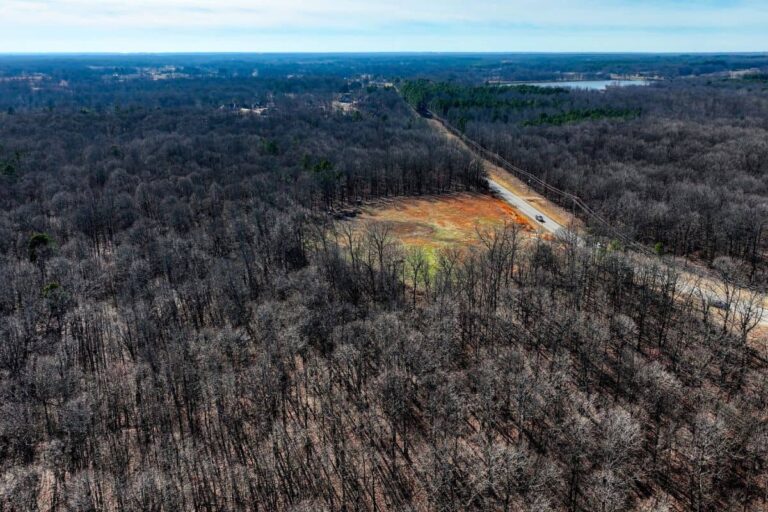
Unrestricted land in Arkansas usually means a parcel with no recorded subdivision covenants, located in a county without zoning. It does not mean anything goes. State septic rules, floodplain ordinances, wetland regulations, road-access laws, and old deed restrictions still apply. Before buying unrestricted land for sale in Arkansas, verify the deed, county rules, legal access, utilities, septic and well feasibility, and flood or wetland status. When anything is unclear, involve a title company or a real estate attorney.
Veteran Land Buyers is a veteran-owned land company based in Newport, Arkansas. We buy and evaluate rural parcels across the state, and “unrestricted” is one of the most misunderstood words we see in listings. This guide explains what the term can and cannot promise, and gives you a practical checklist to protect yourself before you sign.
Key Takeaways
- “Unrestricted” is a listing description, not a legal status. In Arkansas, it usually means no zoning and no known covenants, and nothing more.
- State septic rules, floodplain ordinances, wetland regulations, and recorded easements or mineral reservations still apply even when a county has no zoning.
- Legal, recorded access is the most common problem on cheap rural land. Driving to a parcel on a neighbor’s road is not the same as having a right to it.
- Septic feasibility depends on the soil. Hire a licensed Designated Representative to conduct a soil evaluation, and confirm well depths with a local driller before closing.
- Check the FEMA Flood Map Service Center and the USFWS Wetlands Mapper for every parcel, especially in the Arkansas Delta where cheap and floodplain often overlap.
- Order a title search with every purchase, and bring in a real estate attorney for tax-sale parcels, quitclaim deeds, handshake access, or estates with multiple heirs.
What does unrestricted land for sale in Arkansas mean?
In everyday listing language, unrestricted land means a parcel with no private covenants, no homeowners or property owners association, and no county zoning that dictates how you can use it. In practice, the phrase is a marketing description, not a legal status. There is no official Arkansas designation called “unrestricted.”
Most sellers use the word because:
- The property is outside any city limits and city planning jurisdiction.
- The county has not adopted countywide zoning, which is common in rural Arkansas.
- The seller is not aware of any recorded restrictions on the deed.
Notice the last point. “Not aware of” is very different from “verified there are none.” That gap is where buyers get hurt.
Why do buyers look for unrestricted Arkansas land?
Arkansas draws buyers from across the country because rural acreage remains affordable and the rules are lighter than in many states. Below are the goals we hear most often, and what still has to be checked for each one.
| Buyer goal | Why “unrestricted” appeals | What still has to be checked |
| Off-grid homestead | Freedom to build a small cabin, tiny home, or barndominium without minimum square footage rules | Septic permit, well feasibility, legal access |
| Cheap off-grid land for sale in Arkansas as a weekend retreat | Ability to camp, park an RV, or hunt without HOA complaints | Floodplain status, county sanitation rules, road maintenance |
| Abandoned or tax delinquent parcels | Low entry price and no active neighbors enforcing covenants | Title history, back taxes, whether covenants still exist on record |
| Hobby farm or livestock | No limits on animals, fencing, or outbuildings | Water source, wetlands, easements crossing the property |
If you are hunting for bargains, our guide to abandoned land for sale in Arkansas explains how tax-delinquent parcels are sold through the Commissioner of State Lands and why they require extra title work.
What does unrestricted land not guarantee?
This is the heart of the matter. Even a parcel with no zoning and no covenants is still subject to state and federal law, and to rights that “run with the land” from prior owners. Here is what unrestricted does not automatically give you.
| Common assumption | Reality in Arkansas |
| “I can install any septic system I want.” | The Arkansas Department of Health and the county Environmental Specialist must permit onsite wastewater systems. The soil decides what you can build. |
| “No zoning means I can build anywhere on the parcel.” | Floodplain ordinances, septic setbacks, and utility or road easements limit where structures can go. |
| “There are no deed restrictions because the seller said so.” | Old subdivision plats, mineral reservations, timber rights, and conservation easements may still be recorded at the county courthouse. |
| “I can drive to it, so it has access.” | Using a neighbor’s ranch road is not legal access unless there is a recorded easement. |
| “It is dry now, so it is not a wetland.” | Wetland status is based on soils, hydrology, and vegetation, not on how the ground looks in August. |
What due diligence checks should you complete before buying?
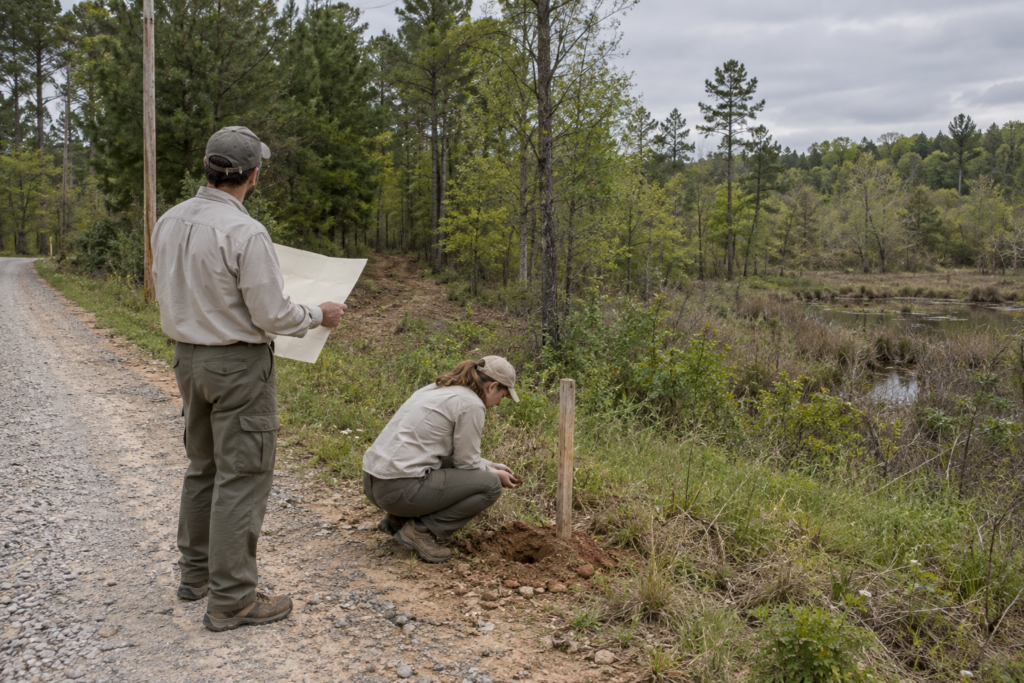
Treat the following as a minimum. Our full land due diligence checklist goes deeper, but these six areas catch most of the problems we see on rural Arkansas parcels.
1. Are there deed restrictions or recorded covenants?
Ask the seller or a title company for the current deed showing vesting and the chain of title. Then check the county records for:
- Recorded subdivision covenants or plat notes, even from decades ago
- Minimum dwelling size, mobile home prohibitions, or “no commercial use” language
- Mineral, oil, gas, or timber rights reserved by a prior owner
- Conservation easements or wildlife program agreements
- Utility, pipeline, or road easements crossing the property
A common scenario: a listing calls a parcel unrestricted because the county has no zoning, but the lot sits inside a 1970s recreational subdivision whose covenants were never formally dissolved. Even if no one has enforced them in years, another lot owner may still be able to.
2. What county rules apply even without zoning?
Many rural Arkansas counties have no countywide zoning, but that does not mean there are no rules. Call the county judge’s office, the planning office if one exists, and the county road department. Ask about:
- Floodplain development permits, which are required in communities that participate in the National Flood Insurance Program
- Driveway or culvert permits to connect to a county road
- Subdivision or lot split rules if you plan to divide the land later
- Solid waste, open burning, and nuisance ordinances
- 911 addressing requirements for a new structure
3. Does the parcel have legal, recorded access?
Access is the number one problem we encounter on cheap rural land. Verify that the parcel touches a public road or has a recorded easement to one. Ask:
- Is the road public and county-maintained, or private?
- If private, who maintains it, and is there a written maintenance agreement?
- Is the easement recorded, and does it allow utilities and vehicles?
- Is the physical road actually inside the easement described in the deed?
Landlocked parcels can sometimes gain access through legal action, but the process is slow and expensive. Price the land accordingly or walk away.
4. What utilities are realistically available?
| Utility | Who to call | Question to ask |
| Electric | The local electric cooperative or investor-owned utility serving that road | How far is the nearest pole, and what is the line extension cost? |
| Water | Rural water association or nearby city water department | Is a meter available on this road, and is there a waiting list or tap fee? |
| Internet | Cooperative fiber projects, cellular carriers, satellite providers | Is fiber built to this road, or only planned? |
| Propane | Local suppliers | Will a delivery truck reach the site year-round? |
Off-grid buyers often skip this step, then discover that a line extension would cost more than the land itself. Even if you plan on solar, knowing the numbers protects your resale value.
5. Can the land support a septic system and a well?
This is where unrestricted land for sale in Arkansas most often fails. In Arkansas, the Arkansas Department of Health Onsite Wastewater Program regulates onsite wastewater systems, and you should work with the Environmental Specialist at your county health unit. According to the department’s on-site wastewater FAQs, there is no minimum lot size for a septic system, but the required space depends on soil suitability, the number of bedrooms, and the 100-foot setback from water wells. The department relies on soil pits rather than simple percolation tests, so shallow rock, clay pans, or a seasonal high water table can force an expensive alternative system or rule out a conventional one entirely.
Before closing, hire a licensed Designated Representative to evaluate the soil. For water, talk with a licensed Arkansas well driller about typical depths and yields in that area. Ozark limestone country, Ouachita shale, and Delta alluvium behave very differently.
One useful detail from the same FAQ: a single residence on ten or more acres, with every part of the sewage system more than 200 feet from any property line, may be exempt from the septic permit requirement. The exemption is only from the permit. The system must still meet state standards, and you should confirm eligibility in writing with the local health unit.
6. Is any part of the parcel in a floodplain or wetland?
Check the parcel on the FEMA Flood Map Service Center. You can still buy and use land in a Special Flood Hazard Area, but building may require elevation, permits, and flood insurance. For wetlands, start with the U.S. Fish and Wildlife Service Wetlands Mapper, then remember its own caution: the map is a biological inventory, not a legal determination. If wetlands appear likely, contact the U.S. Army Corps of Engineers regulatory office before planning any fill or clearing.
In the Arkansas Delta, affordable land and floodplain properties often overlap. If you’re interested in having water on your property rather than viewing it as a potential concern, check out our guide to land for sale in Arkansas with water to learn how to evaluate creeks, ponds, and river frontage.
What questions should you ask the seller and the county?
| Ask the seller | Ask the county |
| Why do you describe the land as unrestricted? | Does this county have zoning or a planning board? |
| Can you provide the deed, survey, and any covenants you know of? | Is this parcel in a mapped floodplain, and is a development permit required? |
| How do you physically reach the property, and is that access recorded? | Is the road county maintained? |
| Has a septic permit or soil test ever been done here? | Are there liens, back taxes, or a tax sale history on this parcel? |
| Are mineral and timber rights included in the sale? | What permits are needed for a driveway, culvert, or new structure? |
When should you involve a title company or attorney?

Order a title search and, when possible, title insurance, even on a low-priced parcel. Bring in a real estate attorney when:
- The land was acquired through a tax sale or has a gap in the chain of title
- Access depends on an unrecorded or handshake agreement
- The deed reserves mineral rights or references covenants you cannot locate
- The seller wants to close with a quitclaim deed only
- Multiple heirs or an estate are involved
This article is general education, not legal advice. Arkansas property law has details that only a licensed professional can apply to your situation.
Frequently asked questions
Is unrestricted land in Arkansas really unrestricted?
No. It usually means no zoning and no known covenants. State septic rules, floodplain regulations, wetland laws, and any recorded easements or reservations still apply.
Can I live off-grid on unrestricted Arkansas land?
Often yes, but you still need an approved wastewater solution, legal access, and a reliable water source. Verify septic feasibility before you buy, not after.
Is abandoned land for sale in Arkansas a good way to find unrestricted parcels?
It can be, but tax-delinquent land often carries title issues and may still be subject to old covenants. Budget for a title search and possibly a quiet title action.
Which Arkansas counties have no zoning?
Many rural counties have not adopted countywide zoning, but this is changing over time, and some cities extend their planning authority beyond their limits. Confirm with the county judge’s office for the specific parcel.
Do I need a survey on cheap rural land?
Strongly recommended. Rural Arkansas parcels often have old metes-and-bounds descriptions, and a survey confirms the acreage, boundaries, and whether the road actually lies within the easement.
Ready to explore Arkansas land?
Unrestricted land for sale in Arkansas can be an excellent purchase when you verify the facts rather than trusting the label. Start with our statewide guide to land for sale in Arkansas to compare regions, price ranges, and land types.
Looking for land in Arkansas or considering selling a rural parcel? Talk with Veteran Land Buyers about your property. We are a veteran-owned company headquartered in Newport, Arkansas, and we buy land as-is across the state, including parcels with access, floodplain, or title challenges. Request a no-obligation cash offer or call (870) 533-5263. Se habla español.

JP Kilduff is the Co-Founder and Chief Operating Officer at Veteran Land Buyers. He started investing in to real estate and communities in 2016. He has worked with hundreds of families purchasing their unwanted land across Arkansas, South Carolina and Florida. When JP is not buying and selling land you can find him on the local basketball court or playing disc golf.