
If you’re looking to sell land in Arkansas, figuring out its value can feel a bit like a puzzle. You want to get the best price, but how do you even start? Luckily, there are some great online tools that can help Arkansas Sellers get a clearer picture of what their property is really worth. We’ll go over five of the best options available to help you make smart decisions.
Key Takeaways
- The Multiple Listing Service (MLS) is a top resource for property data, usually accessed through a real estate agent.
- County assessor websites offer free, detailed property and sales information, which is great for understanding local values.
- Geographic Information System (GIS) maps show property boundaries and zoning, helping you visualize land features and nearby sales.
- Many real estate websites provide valuation tools, but remember these are often just estimates and need to be double-checked.
- Some title company websites let you search public property records, which can give you more details about past sales and ownership.
1. Multiple Listing Service

Okay, so you’re thinking about selling land in Arkansas. One of the first places people look to get an idea of value is the Multiple Listing Service, or MLS. It’s basically a big database of properties for sale, and it’s used by real estate agents all over the state.
The MLS can be a good starting point, but it’s not perfect for land valuation. Here’s why:
- Limited Land Data: The MLS is geared more towards houses and developed properties. Raw land listings might be less detailed or harder to find. You might not get the full picture of comparable sales.
- Agent Access Required: Typically, you need to be a licensed real estate agent to directly access the MLS. This means you’ll likely need to work with an agent to get the information you need. But finding Arkansas real estate agents isn’t too hard.
- Market Fluctuations: The data on the MLS is constantly changing. What was listed last week might not be accurate today. Keep that in mind.
Using the MLS effectively means understanding its limitations. It’s a tool, not a magic bullet. Don’t rely solely on it for your land valuation. Consider it one piece of the puzzle.
Think of the MLS as a good way to see what other properties are listed for, but not necessarily what they sold for. That’s a key difference. It’s a snapshot of the current market, but it’s not the whole story. You’ll want to dig deeper to get a truly accurate idea of your land’s worth. You can also use a home value estimator to get a sense of the market.
2. County Assessor Data
County assessor data is a great resource when trying to figure out what your land might be worth. I mean, they’re the ones who are ultimately taxing you on it, right? So, they have to have some idea of its value. County assessor offices maintain records of property values, sales, and assessments. You can often find this data online, which is super convenient, or by visiting the office in person if you’re feeling old-school. It might take a little digging, but the information is usually free and pretty detailed.
Here’s what you can typically find when you consult public records:
- Deeds: These show who owns the property and when it was transferred.
- Sales prices: This is key for finding comps.
- Property descriptions: Details about the land, like size and location.
- Tax assessments: While not always the same as market value, they can give you a baseline.
Keep in mind that the assessed value might not always reflect the true market value. Assessors often work on a cycle, and the market can change quickly. Still, it’s a good starting point.
Here’s a quick look at the pros and cons of using county assessor data:
| Source | Pros | Cons |
|---|---|---|
| County Assessor | Easy to access, provides a baseline value | May not reflect current market value |
3. Geographic Information System Maps
GIS maps are super useful for getting a handle on land values. They’re basically digital maps that show property lines, zoning info, and all sorts of other data. It’s like having a treasure map for land research!
These maps can show you property boundaries, zoning information, and other useful data.
GIS maps are great because they pull together info from different sources into one place. Instead of digging through piles of documents, you can see everything laid out visually. This makes it way easier to spot trends and compare properties.
Using GIS maps can really speed up your research. You can quickly identify comparable properties, check zoning regulations, and see how different factors might affect land value. It’s a great way to get a bird’s-eye view of the market.
Here’s what you can typically find on a GIS map:
- Property boundaries and parcel numbers
- Zoning designations (residential, commercial, agricultural, etc.)
- Flood zones and environmental data
- Topography and elevation
Many counties in Arkansas offer online GIS maps. You can usually find them on the county government’s website. Just search for “Public Land Survey System GIS map” plus the county name. These maps are often free to use, which is a huge bonus.
Real estate websites also use GIS technology to display property data. These maps might not be as detailed as the ones you find on county websites, but they can still be helpful for getting a general idea of land values in an area. Plus, they’re usually easier to use and navigate.
4. Real Estate Websites
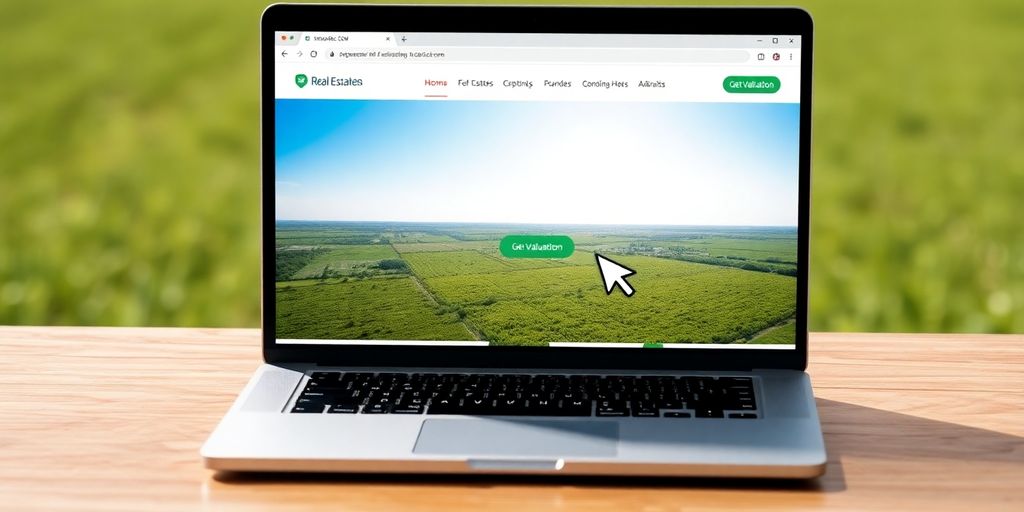
Real estate websites are another avenue to explore when trying to get a handle on land values in Arkansas. They can provide a broad overview of the market, though it’s important to remember that the data might not always be super precise, especially for vacant land. Still, they’re a good starting point.
Some sites offer more detailed data than others. You might find options to filter sales by land use or zoning, which can be helpful. Using a more accurate home valuation tool can give you a better idea of the market.
Here’s a quick rundown of some options:
- Realtor.com: This site pulls estimates from multiple sources, including those used by lenders. It’s a good way to see a range of values.
- Zillow: Zillow is a popular choice for getting a quick estimate. It uses an algorithm called a “Zestimate” to determine property values.
- Redfin: Redfin also provides estimates and includes data on recent sales in the area. They often have more detailed property information than some other sites.
Keep in mind that these websites use automated valuation models (AVMs), which aren’t perfect. They rely on algorithms and publicly available data, which might not always reflect the true value of a specific piece of land. Always verify the information with other sources, like a local appraiser or real estate agent.
Beyond the big names, there are other real estate websites and tools that can be helpful. For example, you might find sites that let you filter sales by land use type or zoning. Using a real estate appraisal requests tool can help you get a better idea of the market.
5. Title Company Websites
Title companies are often overlooked, but they can be a surprisingly good source of information when trying to get a handle on land values. They deal with property records all day, every day, and while they aren’t appraisers, they have access to a lot of data that can be helpful. Title company websites can provide insights into recent sales, property ownership, and encumbrances on the land.
Title companies usually offer a range of services that can indirectly help you assess land value:
- Property Title Search: This will show you the history of ownership and any claims against the property.
- Comparable Sales Data: Some title companies provide access to recent sales in the area, which is super useful for comparison.
- Title Insurance: While it doesn’t directly give you a value, the amount of insurance they’re willing to offer can hint at their assessment of the property’s worth.
It’s important to remember that title companies aren’t in the business of providing appraisals. Their focus is on ensuring clear title and protecting against potential claims. However, the information they provide can be a valuable piece of the puzzle when you’re trying to determine the value of land in Arkansas. You can also find information about replacement cost values on some title company websites.
Wrapping It Up
So, figuring out what your Arkansas land is really worth means doing some homework. You’ve got to dig into those comparable sales, check out public records, and use all the online tools you can find. It’s not always super easy, especially with land, but getting a good handle on these things helps you make smart choices. Whether you’re buying or selling, knowing the real value of that dirt is a big deal. Take your time, do your research, and you’ll be in a much better spot.
Frequently Asked Questions
What makes a property “comparable” for land value?
Finding good comparable properties means looking at recently sold land that’s similar to yours in size, location, and what it’s used for. Think of it like comparing apples to apples.
Where can I find data to value my land?
Online tools, public records, and real estate sites are great places to start your search for Arkansas land value data.
Does distance matter when finding comparable properties?
Yes, how far away a comparable property is matters, especially for lenders. However, sometimes a good comparable sale outweighs distance, particularly in rural Arkansas where similar properties might be spread out.
What factors influence land value in Arkansas?
Many things can change the value of land. It’s not just about how big it is. Location is a huge factor. Land near cities like Little Rock or Fayetteville is usually worth more. Also, what the land can be used for (like farming, building, or just enjoying nature) and how easy it is to get to can change its value.
Is it harder to value commercial land?
For commercial land, it can be tougher to find good comparable sales because each commercial property is often unique. You might need a professional appraiser to help adjust for these differences and get an accurate value.
Should I get a professional appraisal?
Getting a professional appraisal might cost you some money upfront, but it can be well worth it in the long run. It gives you a solid, unbiased opinion of your land’s value, which can be super helpful when you’re selling.