Looking for information about your property in Arkansas? It can feel like a puzzle sometimes, trying to figure out what all those numbers and terms mean. This guide is here to help you make sense of Arkansas County Assessor Records. We’ll break down how to find what you need, understand property values, and even see how tax relief might apply to you. Think of it as your friendly neighborhood guide to understanding your land’s official story.
Key Takeaways
- Arkansas County Assessor Records contain details about property ownership, sales history, legal descriptions, and characteristics of residential and commercial buildings.
- Property valuations are determined through a three-step process: field data collection, data entry into a computer system, and analysis of recent property sales.
- Your property valuation notice will show previous and new values, taxable value, and an estimated tax change, helping you understand potential tax impacts.
- Tax relief options like the Homestead Credit and assessment caps (5% for homesteads, 10% for others) can help stabilize property tax bills.
- Accessing and understanding Arkansas County Assessor Records is important for property owners, offering insights into market data, sales history, and potential research or marketing uses.
Understanding Arkansas County Assessor Records
Getting a handle on your property’s assessment details in Arkansas starts with understanding what the county assessor’s records actually contain. It’s not just about taxes; these records paint a picture of your property’s history and value. Think of them as the official story of your land and buildings.
Accessing Property Information Online
Nowadays, you can often find a lot of this information without leaving your house. Many counties in Arkansas have put their property records online, making it easier to look up details. You can usually search by owner name, parcel number, or address. This digital access is a big change from how things used to be, where you’d have to go down to the courthouse. For example, you can access property records for Union County, Arkansas which offers deeds, liens, and title information.
Key Data Points in Assessor Records
When you look at these records, you’ll see a lot of different pieces of information. Some of the most important bits include:
- Ownership Details: Who currently owns the property and their mailing address.
- Sales History: When the property last sold, for how much, and who was involved.
- Property Characteristics: Things like the size of the land, the year the house was built, square footage, number of rooms, and the type of construction.
- Valuation Information: The assessed value of the property, which is what the county uses to figure out property taxes.
Benefits of Comprehensive Record Access
Having easy access to these records is pretty helpful. It means you can check if the information the county has about your property is correct. If you’re thinking about selling your property, knowing its history and assessed value can help you price it right. It also helps you understand how your property taxes are calculated. Knowing these details can save you money and hassle down the road.
Navigating Property Valuations
The Three-Step Appraisal Process
Understanding how your property’s value is determined is the first step to making sense of your assessment. The county assessor’s office follows a structured, three-part approach to figure out what your land and buildings are worth. It’s not just a random guess; it’s a methodical process designed to be fair across the board.
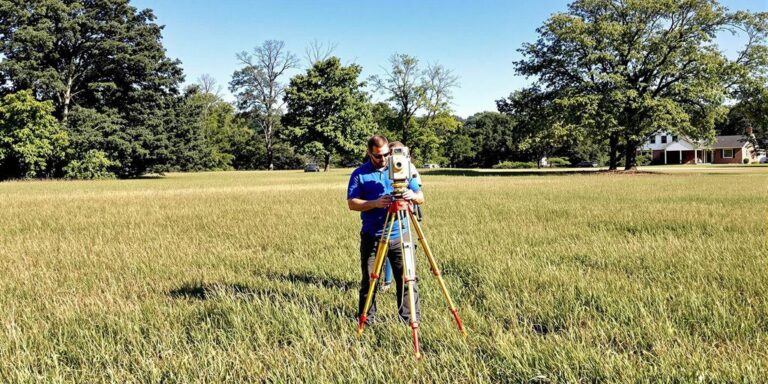
- Field Data Collection: Qualified appraisers go out and physically inspect properties. They measure buildings, note their condition, and record details like heating systems, insulation, and the number of bathrooms. This is a big job, covering every piece of property in the county.
- Data Entry and Organization: All the information gathered in the field gets put into a computer system. For residential properties, this can mean over 300 data points per record card, and even more for commercial ones. Having this organized data is key for the next step.
- Sales Analysis: The office looks at property sales that happened over the past year. They only consider sales that reflect typical market conditions, meaning they exclude sales between family members or those with special financing, as these might not show the true market value. This analysis helps establish a baseline for property values. This entire process is how your property’s value is set as of January 1st each year.
Understanding Property Value Changes
Property values aren’t static; they change based on market activity. When the real estate market goes up or down, that’s reflected in property assessments. For instance, if many homes in your area sold for more last year, your property’s assessed value might increase too. Conversely, a slowdown in sales or lower prices can lead to a decrease. The assessor’s office uses actual sales data to make these adjustments, so your valuation should mirror what’s happening in the local real estate market. It’s important to remember that even if your property value didn’t change, the overall market in the county might have shifted. You’ll only get a notice if your property’s value increased; if it stayed the same or went down, you won’t hear from them about it.
Factors Influencing Property Assessments
Several things can affect your property’s assessed value. The assessor’s office looks at a lot of details to get it right.
- Location: Properties in desirable neighborhoods or areas with good amenities often have higher values.
- Condition and Quality: The upkeep of your home, the quality of materials used, and its overall condition play a big role. A well-maintained property with good construction will typically be valued higher.
- Features: Things like central air conditioning, updated bathrooms, modern kitchens, and good insulation can all add to your property’s worth.
- Recent Sales: As mentioned, recent sales of similar properties in your area are a major factor. If comparable homes are selling for more, your assessment is likely to reflect that.
It’s worth noting that while market fluctuations are considered, Arkansas counties generally haven’t experienced the extreme highs and lows seen in some major metropolitan areas. The valuations here are tied closely to actual sales activity within the county.
For example, following a reappraisal, some areas might see average value increases, while others might see slight decreases or no change at all. The county assessor’s office aims to reflect these local market realities in their assessments. If you’re curious about specific figures, you can often find county assessor data online.
Decoding Your Property Valuation Notice
So, you’ve gotten a notice about your property’s value. It can look a bit confusing at first, with all the numbers and terms. But really, it’s just the assessor’s way of telling you how much they think your property is worth for tax purposes. It’s important to look at this notice carefully, especially if your property value has changed.
Interpreting Previous and New Values
Your notice will likely show a “Previous Value” and a “New Value.” The previous value is what your property was assessed at last year. The new value is the assessor’s current estimate of your property’s worth, based on recent market activity. For instance, Sebastian County is expecting a significant jump in appraised values, with some areas seeing increases of over 12%. This means your property’s assessed value might be higher than it was before. It’s good to compare these two numbers to see the change.
Understanding Taxable Value and Millage Rates
Beyond the new appraised value, you’ll see something called “Taxable Value.” This is the number that actually gets used to figure out your property taxes. It’s not always the same as the new appraised value because it takes into account things like assessment caps or any property tax relief you might be getting. Think of it as the value after all the special rules are applied. The taxable value is then multiplied by the millage rate to calculate your tax bill. The millage rate is set by local taxing bodies, like your school district or city council.
Estimating Potential Tax Changes
Your notice might also give you an “Estimated Tax Change.” This is a projection of how your taxes might change based on the new taxable value and the current millage rate. It’s a helpful estimate, but remember that millage rates can change. If there’s a local election or a decision by the county government, the rate could go up or down, which would affect your final tax bill. So, while this estimate is useful, it’s not set in stone. If you have questions about how your property value was determined, the notice usually includes contact information for the assessor’s office. Don’t hesitate to call them; they can help clarify things. You can also look up property assessment data for your county to see how other properties were valued.
Key Information Within Parcel Records
When you look at county assessor records for your land, you’ll find a lot of details packed into each parcel record. It’s not just about who owns the place; it goes much deeper.
Ownership and Sales History Details
This section is where you can really see the property’s story unfold. You’ll find the current owner’s name and their mailing address. But it doesn’t stop there. The records also detail the sales history, showing dates of previous sales, the book and page number where the deed is recorded, the sale price, and who bought and sold the property. This information is super helpful for understanding market trends or if you’re curious about how long owners typically hold onto properties in the area. It’s all about tracking the chain of ownership and the financial transactions tied to the land. For instance, you can check out Arkansas county records online to see these details.
Legal Descriptions and Land Characteristics
Beyond ownership, the legal description is key. This is the official way the property is defined, often including lot and block numbers, subdivision names, acreage, and sometimes more technical details like section, township, and range. You’ll also find information about the land itself, like its school district and any extended legal descriptions that might apply. These details are important for understanding property boundaries and any specific land use regulations.
Residential and Commercial Improvement Data
If there are buildings on the property, the assessor’s records will break down the improvements. For residential properties, this can include square footage, the number of stories, wall construction type, the age of the building, heating and air conditioning systems, number of fireplaces, basement details, garage capacity, porch or patio space, and whether it’s a mobile home or has outbuildings. For commercial properties, you’ll see square footage, age, stories, the business name if applicable, and its location. This data helps paint a picture of what’s actually on the land and how it contributes to the overall value.
Property Tax Relief and Assessment Caps
It’s good to know that Arkansas has ways to help keep property taxes from jumping too much year after year. This is mostly thanks to Amendment 79 to the state constitution, which is often called Property Tax Relief. This amendment includes things like the Homestead Tax Credit, which can lower your tax bill if the property is your main home. These measures are designed to make taxes more predictable, even when the real estate market goes up and down.
Homestead Credit Eligibility
To get the homestead credit, the property has to be your primary residence. It’s a way the state helps homeowners, especially those who might be on a fixed income. You’ll want to check your assessor’s notice to make sure you’re getting the credit you’re entitled to. It’s important to have the correct information on file with the assessor’s office to claim this benefit. You can find out more about Arkansas property tax relief.
Understanding Assessment Value Caps
Even if your property’s market value goes up a lot, the amount used to calculate your taxes might not increase as much. This is due to assessment caps. For homes that are your main residence and owner-occupied, the assessed value can only go up by 5% each year, assuming no new construction was added. For other properties, like rental homes or commercial buildings, the cap is 10% per year, again, if nothing new was built.
The Role of Tax Freezes
While caps limit yearly increases, a tax freeze is a bit different. It can be put in place for certain situations, like for homeowners who are disabled or over 65. This means the assessed value of their property stays the same, regardless of market changes. It’s a way to provide stability for those who might be most vulnerable to rising costs. Always check your assessment notice to confirm any applicable freezes or credits are being applied correctly.
Utilizing Arkansas County Assessor Data

Once you’ve got a handle on your property’s details, it’s time to think about how you can actually use all this information. The county assessor’s office records are more than just numbers on a page; they’re a goldmine for anyone interested in real estate, whether you’re buying, selling, or just curious about your neighborhood. You can really dig into the market trends by looking at sales data.
Searching by Multiple Criteria
Most online systems let you search for properties using more than just one piece of information. Think about it: you can look for all homes in a specific zip code that have a certain number of bedrooms and sold within the last year. This kind of targeted search helps you find exactly what you’re looking for, whether it’s for personal research or for business.
Accessing Sales and Market Data
Looking at recent sales is a smart way to understand property values. The assessor’s records often include details about when a property sold, for how much, and to whom. This information is super helpful for getting a feel for the local market. You can see if prices are going up or down in your area. Accessing county records online can give you a good snapshot.
Leveraging Data for Research and Marketing
If you’re in real estate, this data is your best friend. You can use it to identify potential clients, understand neighborhood development, or even just keep tabs on competitors. Imagine being able to pull a list of all properties that have had significant renovations in the past five years – that’s powerful information for marketing purposes. It’s all about using the data to your advantage.
Looking into Arkansas county assessor information can be a smart move. It helps you understand property values in different areas. Want to learn more about how this data can help you? Visit our website today to get all the details!
Wrapping Up Your Record Search
So, digging into Arkansas county assessor records might seem a bit much at first, but it’s really about understanding what your property is worth and how taxes are figured out. You’ve learned about how appraisers look at your place, what those numbers on your notice mean, and even how to check for things like tax relief. It’s not always straightforward, but knowing where to look and what to ask can make a big difference. If anything’s still fuzzy, don’t hesitate to reach out to the assessor’s office; they’re there to help clear things up.
Frequently Asked Questions
How can I find property details online?
You can find property information online through your county assessor’s website. Many counties offer a searchable database where you can look up details about a specific property using its address or parcel number. This usually includes information like ownership, sales history, and property characteristics.
What kind of information is usually in assessor records?
Key information in assessor records typically includes the owner’s name and address, the property’s legal description (like lot and block numbers), details about any buildings on the land (like square footage, age, and features), and its assessed value for tax purposes. You’ll also often find sales history, including the date and price of recent sales.
How is a property’s value determined?
The assessor’s office figures out property values using a three-step process. First, appraisers visit properties to gather details about buildings and land. Then, this information is put into a computer system. Finally, they look at recent property sales to help set the value for all similar properties.
What should I do if my property value changes?
When your property value changes, you’ll usually get a notice in the mail. This notice will show your old value and the new value. It also explains the ‘taxable value,’ which is what your taxes are actually calculated from, and might give an estimate of how your taxes could change. If you have questions, the notice usually includes a phone number for the appraisers.
Are there ways to get help with property taxes in Arkansas?
Yes, Arkansas offers property tax relief. The Homestead Credit can lower your property taxes if the home is your main residence. There are also assessment caps, meaning the value used for taxes can only go up by a certain percentage each year (like 5% for homesteads) if no new construction is done. Some properties might also qualify for a ‘tax freeze.’
How can I use the information from assessor records?
Assessor records are useful for many things! You can use them to research property sales and market trends, understand how property values are set, check ownership history, and even find data for marketing or investment purposes. Some services allow you to search using many different criteria, like sales date or square footage, to get very specific information.