
Writing a good listing for land in Arkansas needs more than just listing facts. You want to grab attention and help people see themselves on the property. This guide will walk you through how to write compelling descriptions that get noticed, especially for Arkansas Land Listing, making sure your words work just as hard as your photos.
Key Takeaways
- Use local terms naturally to help buyers find your Arkansas Land Listing.
- Write with a buyer’s mindset, thinking about what they’d search for.
- Keep your descriptions short and to the point, especially for mobile users.
- Pick strong, descriptive words that create a picture in the buyer’s mind.
- Avoid common, vague words that don’t tell buyers anything new about the land.
Optimizing Arkansas Land Listing Descriptions
Using Local Keywords Naturally
It’s super important to weave in those local keywords when you’re describing Arkansas land. Think about it: someone searching for property in the Ozarks isn’t going to use the same terms as someone looking near Little Rock. Use neighborhood names, nearby towns, school districts, or even well-known landmarks. For example, instead of just saying “close to town,” try “minutes from downtown Fayetteville” or “near the Buffalo National River.” This helps people find your listing when they’re searching for something specific. Don’t overdo it, though; it should sound natural, not like you’re just stuffing keywords in there.
Thinking Like an Arkansas Land Buyer
Put yourself in the buyer’s boots. What are they really looking for? Are they dreaming of a hunting retreat? A place to build a family home? A spot for a hobby farm? Use the language they’d use. If they’re searching for land with a creek, mention the creek! If they want acreage for horses, highlight the pasture potential. Consider what they might type into Google or Zillow. Think about the lifestyle they’re after and describe how your land fits that vision. It’s about connecting with their needs and desires.
Writing for Mobile Viewers
Most people are scrolling through listings on their phones these days, so keep it short and sweet. Get to the good stuff right away. Long paragraphs are a no-go. Use bullet points to break up the text and make it easy to scan.
Think of your description as a movie trailer, not the whole movie. You want to grab their attention and make them want to learn more, not overwhelm them with details. Keep sentences concise and focus on the most compelling features first.
Here’s a quick example:
- 20 acres of prime hunting land
- Secluded location with easy access
- Perfect for building your dream cabin
Crafting Compelling Opening Statements for Arkansas Land
Highlighting Standout Features
When you’re trying to sell land in Arkansas, the first sentence of your listing is super important. It’s gotta grab people’s attention right away. Think about what makes the property special. Is it the stunning view? The access to a great fishing spot? Or maybe it’s just the peace and quiet. Whatever it is, put that front and center. Don’t bury the lead with boring details. Make them want to read more.
Creating a Sense of Place
Arkansas has a unique vibe, and your listing should reflect that. Don’t just describe the land; paint a picture. Talk about the rolling hills, the dense forests, or the clear streams. Use words that evoke emotion and make people feel like they’re already there. Think about what makes Arkansas special and weave that into your description. For example:
- Mention the local wildlife.
- Describe the changing seasons.
- Highlight any nearby landmarks.
Think about what kind of buyer you’re trying to attract. Are they looking for a hunting retreat? A place to build a family home? Or maybe just a quiet escape from the city? Tailor your description to appeal to their specific interests.
Enticing Buyers with Specifics
While creating a sense of place is important, don’t forget the details. Buyers want to know exactly what they’re getting. Instead of saying “nice trees,” say “mature oak and hickory trees.” Instead of saying “good location,” say “five minutes from downtown Fayetteville.” The more specific you are, the more credible your listing will be. Here’s a few things to consider:
- Acreage: Be precise with the size of the Arkansas real estate listing agreement.
- Utilities: Specify what’s available (water, electricity, etc.).
- Boundaries: Clearly define the property lines.
| Feature | Description |
|---|---|
| Water Source | Spring-fed creek running through the property |
| Timber Value | Estimated at $50,000 |
| Road Access | County-maintained gravel road |
Arranging Selling Points Logically for Arkansas Land
Guiding Buyers Through Information
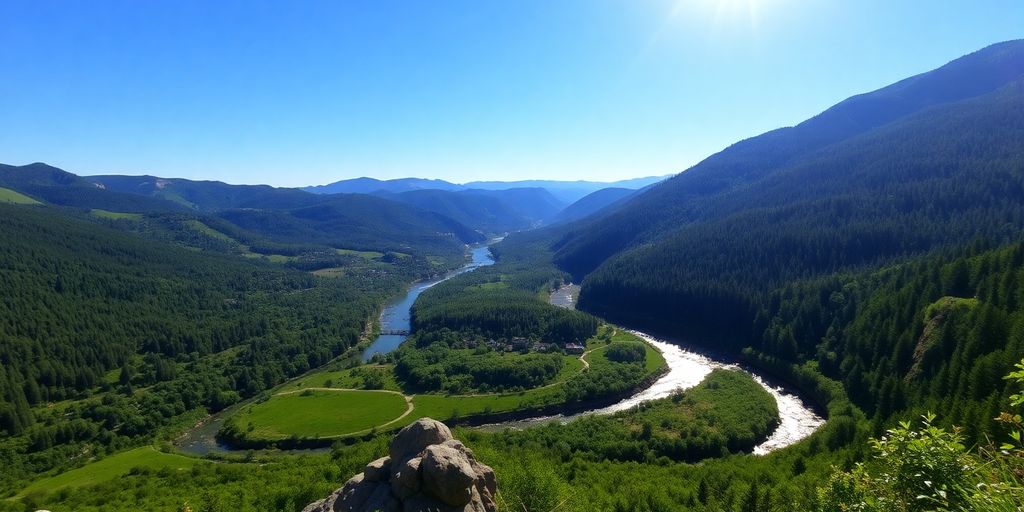
Think of your land listing as a guided tour. Don’t just throw a bunch of features at potential buyers; lead them through the property’s story. Start with the broad strokes – the overall size, general location, and maybe a key feature that grabs attention. Then, zoom in on the details. This approach helps buyers digest the information without feeling overwhelmed. It’s like telling a story, building anticipation and excitement as you reveal more about the land.
Prioritizing Key Features
Not all features are created equal. Some will be more appealing to buyers than others. Think about what makes your Arkansas land stand out. Is it the proximity to a popular fishing spot? The mature timber ready for harvest? Or maybe it’s the stunning views? Put those features front and center. Don’t bury the lead! A good rule of thumb is to list the top three most desirable features right after your opening statement. This ensures that buyers immediately see the value in your Arkansas land for sale.
Maintaining Buyer Interest
Keeping a buyer engaged throughout the entire listing is key. After highlighting the top features, transition into more detailed descriptions. Use a logical flow – for example, if you mentioned water access, follow up with details about the type of access (river, lake, creek), the quality of the water, and any associated rights. Break up long paragraphs with bullet points or short, descriptive sentences. And always, always keep the buyer in mind. What questions would they have? Answer them before they even have to ask. Think of it as a conversation, not just a data dump.
A well-organized listing shows respect for the buyer’s time and intelligence. It demonstrates that you’ve put thought into presenting the property in the best possible light. This can make a significant difference in whether a buyer decides to take the next step and schedule a viewing.
Here’s an example of how you might structure your selling points:
- Headline: Prime Hunting Land with Creek Frontage
- Opening: Secluded 80-acre parcel in the Ozark Mountains, perfect for hunting and recreation.
- Key Features:
- Abundant wildlife (deer, turkey, bear)
- Year-round creek with excellent fishing
- Mature hardwood timber
- Detailed Description: (Expand on each of the key features, providing specific details and benefits)
Leveraging Power Words for Arkansas Land Listings
Words matter, especially when you’re trying to sell something as unique and valuable as land in Arkansas. The right words can paint a picture, evoke emotion, and ultimately, drive a sale. It’s about more than just listing features; it’s about connecting with potential buyers on a deeper level.
Evoking Emotion in Descriptions
Using words that stir emotion can significantly impact a buyer’s perception of the land. Think about the feelings you want to associate with the property. Is it peace and tranquility? Adventure and excitement? Family and legacy? Choose words that align with those emotions.
- Secluded suggests privacy and escape.
- Picturesque evokes beauty and charm.
- Breathtaking implies grandeur and awe.
Consider this: instead of saying “good view,” try “panoramic vista.” The latter is much more evocative and creates a stronger mental image.
Using Sensory Language
Engage the senses! Don’t just tell buyers what the land is; tell them what it feels like, smells like, sounds like. This helps them connect with the property on a more personal level. For example, instead of saying “there are trees,” try “the land is shaded by towering pines, their needles whispering in the breeze.” Describing the property boundaries is important, but so is describing the experience of being there.
- Describe the sound of a nearby creek.
- Mention the smell of wildflowers in the spring.
- Talk about the feel of the sun on your skin as you walk through the property.
Showcasing Unique Qualities
Every piece of land has something special about it. It’s your job to identify those unique qualities and highlight them using powerful language. What makes this particular property stand out from all the others? Is it a rare geological formation? A historic landmark? An abundance of wildlife? Don’t be afraid to get specific and use words that emphasize the land’s individuality. Think about the Arkansas land buyer and what they are looking for.
- Pristine suggests untouched natural beauty.
- Legacy implies a lasting investment for future generations.
- Unparalleled highlights a feature that is truly one-of-a-kind.
Avoiding Common Pitfalls in Arkansas Land Listings
Steering Clear of Vague Terms
When describing Arkansas land, it’s easy to fall into the trap of using vague language that doesn’t really tell potential buyers anything concrete. Words like “nice” or “good” are subjective and don’t convey specific details about the property. Instead of saying a property has a “nice view,” describe what the view actually encompasses – rolling hills, a clear lake, or the Ouachita Mountains. Provide measurable details whenever possible. For example, instead of saying “plenty of trees,” specify the types of trees and their approximate density. This helps buyers visualize the land and understand its true value. It’s important to avoid vague terms to ensure clarity.
Omitting Overused Adjectives
Certain adjectives have become so overused in real estate listings that they’ve lost their impact. “Charming,” “beautiful,” and “spacious” are prime examples. While these words might seem harmless, they often fail to create a lasting impression on potential buyers. To make your listing stand out, replace these generic adjectives with more descriptive and evocative language. For instance, instead of calling a property “charming,” describe its unique architectural features or historical significance. Instead of saying it’s “spacious,” provide the square footage and highlight specific areas, like a large living room or a sprawling backyard.
Being Specific and Honest
Honesty is always the best policy, especially when it comes to selling land. Misleading potential buyers with exaggerated claims or omitting important details can damage your reputation and lead to legal issues. Be upfront about any potential drawbacks of the property, such as flood zones, easements, or environmental concerns. While it’s important to highlight the positive aspects of the land, don’t shy away from disclosing any relevant information that could affect a buyer’s decision. Specificity is key. Instead of saying “some restrictions may apply,” clearly outline the specific restrictions in place. This builds trust and ensures that buyers are fully informed before making an offer.
Honesty and transparency are paramount. Accurately represent the land’s features, boundaries, and any potential issues. This approach fosters trust and ensures a smoother transaction process.
Here are some things to keep in mind:
- Disclose any known issues with the property.
- Provide accurate information about zoning regulations.
- Avoid making unsubstantiated claims about future development potential.
Showcasing Arkansas Land Features and Amenities
Highlighting Natural Attributes
When you’re trying to sell land in Arkansas, don’t just say it’s “pretty.” Really dig into what makes it special. Is there a creek running through it? Mention the type of fish you might catch. Are there mature trees? Talk about the shade they provide and the wildlife they attract. The more specific you are, the better potential buyers can visualize themselves enjoying the property. Think about things like:
- Elevation changes and views
- Types of soil (great for gardens or specific crops)
- Proximity to state parks or national forests
Detailing Infrastructure and Access
Let’s face it, even the most beautiful land is useless if you can’t get to it or build on it. Be upfront about access. Is it a paved road, a gravel road, or a dirt track? Are utilities already there, or will the buyer need to install a well and septic system? These are important details. If there’s easy comparison between urban centers and rural retreats, make sure to highlight that. A table can be useful here:
| Feature | Description |
|---|---|
| Road Access | County-maintained gravel road |
| Utilities | Electricity at the property line; well needed |
| Cell Service | Spotty, but usable near the main road |
| Building Sites | Several level areas suitable for construction |
Emphasizing Development Potential
Some buyers are looking for a place to build their dream home. Others want to start a farm or develop a subdivision. Make sure you highlight the potential uses of the land. Check local zoning regulations and mention any restrictions. If the land is suitable for a specific type of development, say so! For example:
- Suitable for a single-family home with acreage
- Potential for a small hobby farm
- Possible subdivision development (subject to county approval)
Don’t make promises you can’t keep. Be honest about what the land can and can’t be used for. It’s better to under-promise and over-deliver than to mislead potential buyers.
Utilizing High-Quality Visuals for Arkansas Land

Visuals are super important when you’re trying to sell land. People want to see what they’re potentially buying, not just read about it. Think about it – would you buy something sight unseen? Probably not. So, let’s talk about how to make your Arkansas land listings pop with amazing visuals.
Integrating Drone Photography
Drone photography is a game-changer. It gives potential buyers a bird’s-eye view of the property, something they can’t get from ground-level photos. It’s especially useful for larger tracts of land where it’s hard to grasp the full scope from the road. You can showcase the entire property, highlighting key features like ponds, forests, or building sites. Plus, drone footage can be used to create engaging videos that really capture the essence of the land.
Showcasing Property Boundaries
Clearly defining property boundaries in your visuals is crucial. No one wants to buy land and then get into a dispute with the neighbors about where the line is. Here are some ways to do it:
- Use GPS overlays on aerial photos to show the exact boundaries.
- Include photos of survey markers or fences along the property lines.
- Provide a plat map as part of the listing.
Showing clear boundaries builds trust and avoids potential headaches down the road. It demonstrates that you’re being upfront and honest about what’s included in the sale. This is especially important in rural areas where boundary lines might not be immediately obvious.
Providing Contextual Imagery
Don’t just show the land itself; show the surrounding area too. What’s nearby? Is it close to a town? A lake? A national forest? Contextual imagery helps buyers understand the location and its amenities. Think about including:
- Photos of nearby towns or attractions.
- Images of local schools, hospitals, or shopping centers.
- Pictures of recreational opportunities like hiking trails or fishing spots.
| Feature | Benefit |
|---|---|
| Nearby lake | Recreational opportunities, scenic views |
| Close to town | Convenient access to amenities |
| National forest | Hiking, hunting, outdoor activities |
By providing Washington County, Arkansas, land listings with context, you’re helping buyers envision their life on the property and making it easier for them to see the value in your listing.
Wrapping It Up: Your Arkansas Land Listing Success
So, there you have it. Getting your land listing noticed in Arkansas isn’t just about throwing up a few pictures and a price. It’s about being smart with your words. Think about what people are really looking for. Use those local terms, paint a picture of the place, and make sure your description pops on a phone screen. Skip the vague stuff and focus on what makes your property special. A little effort here can make a big difference, helping the right buyer find their perfect piece of Arkansas land. It’s all about making that connection, plain and simple.
Frequently Asked Questions
How can I make my Arkansas land listing more appealing?
To make your land listing stand out, use clear and inviting words that paint a picture. Think about what makes your piece of Arkansas special, like “peaceful forest views” or “easy access to fishing.” Avoid vague words like “nice” or “good.”
Should I use special words (keywords) in my land listing?
Yes, keywords are super important! People search online using specific words. Include things like the county name, nearby towns, famous landmarks, or even types of land, like “hunting land Arkansas” or “farm land near Little Rock.”
Is it important to write for people looking on their phones?
Absolutely! Most people look at listings on their phones. Keep your sentences short and to the point. Put the most exciting details right at the beginning so they catch the eye quickly.
What’s the best way to begin my land description?
Start with something exciting! Highlight the best thing about your land right away. Maybe it’s “stunning mountain views” or “a perfect spot for a cabin.” This grabs attention and makes people want to read more.
How should I arrange the information in my land listing?
Organize your description like a story. Start with the main attractions, then talk about things like how to get there, water sources, or if you can build on it. This helps buyers easily understand everything important about the land.
What kind of words should I use to describe the land?
Try to use words that make people feel something or imagine being there. Instead of just “trees,” say “towering oak trees.” Instead of “flat,” say “gently rolling meadows.” This helps buyers connect with the land.


